Bunbun: A Cheerful Display Font for Playful Branding
Opening a fresh brand board one afternoon, I was looking for something different—something that would bring a smile to the client’s face and make their identity stand out. That’s when I stumbled upon Bunbun. At first glance, it felt like an instant match for a boutique café or a handmade gift shop, but I wanted to test it in real scenarios before committing. So I dropped it into a logo draft, a packaging mockup, and even a social media layout. Here’s what happened.
A Handwritten Charm with a Purpose
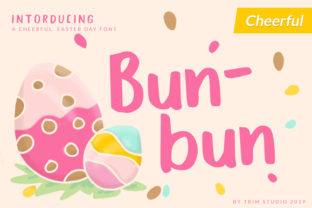
Bunbun is a display typeface with a cheerful theme, and it shows. Its unique handwritten style gives a fun and playful touch to your design. The letters feel like they were drawn by hand, not generated by a machine. There's a warmth and spontaneity in the curves and loops that make it perfect for projects that want to communicate joy, creativity, and approachability.
I tested Bunbun on a logo concept for a new artisanal bakery. The font immediately brought a sense of friendliness and whimsy that fit the brand’s vibe perfectly. It wasn’t too cutesy or over-the-top, which made it feel professional yet inviting. It had just the right balance between being decorative and readable.
Testing Bunbun in Real Branding Projects
When I used Bunbun on a packaging mockup for a line of handmade candles, the results were delightful. The font added a personal, artisanal feel that complemented the product’s story. It worked especially well on labels and tags where short phrases or names needed attention without being overwhelming.
On a business card, Bunbun looked great as the primary text, paired with a clean sans-serif font for the supporting details. It didn’t clash, and it gave the card a memorable visual punch. For a website header, it felt slightly too bold for long blocks of text but was perfect for headlines and call-to-action buttons.
On Instagram posts, Bunbun stood out beautifully against bright, colorful backgrounds. It added character to promotional content, making it more engaging and shareable. When used sparingly, it helped elevate the overall aesthetic without overpowering the message.
Where Bunbun Shines and Where It Might Not Be Right
Bunbun excels as a display font, headline font, or accent font. It’s ideal for logos, branding assets, holiday designs, Easter cards, and anything that needs a friendly, handcrafted look. However, it’s not the best choice for long body text, small sizes, or formal corporate use. Readability can suffer if you push it too far, especially in low-resolution formats or on screens with limited contrast.
If you’re designing a website with a lot of body copy, it’s better to pair Bunbun with a more legible serif or sans-serif font. This way, you maintain visual interest without sacrificing usability. Similarly, for printed materials, always check how it looks at different sizes and distances to ensure it remains clear and impactful.
Font Pairing and Practical Tips
When pairing Bunbun with other fonts, I found that a modern sans-serif like Montserrat or Lato worked well for balance. The contrast between the handwritten feel of Bunbun and the clean lines of a sans-serif created a dynamic yet cohesive look. For a more elegant feel, pairing it with a serif font like Georgia or Merriweather could add sophistication while keeping the playful tone.
It’s also worth noting that Bunbun includes a range of styles and alternates, allowing for creative flexibility. Whether you need a swash for a special occasion or a more minimal version for a tagline, there are options available to suit different needs.
Before using Bunbun in any final client work, it’s essential to review the licensing terms. Make sure you understand the commercial usage rights, especially if you're incorporating it into brand identity, packaging, templates, websites, or print-on-demand products. Always verify that the font supports the languages and characters you’ll be using, and confirm its availability in webfont formats if needed for digital projects.
Bunbun is a versatile display font that brings a sense of playfulness and charm to any project. Whether you're designing a holiday card, a brand identity system, or a social media graphic, it has the potential to make your work stand out. Just remember to use it thoughtfully, and always test it in context before finalizing your designs.